History Of Dar Si Said
The story of Dar Si Said, from a vizier's private palace to Marrakech's National Museum of Weaving and Carpets.
A Vizier's Palace
Dar Si Said — "house of Si Said" — was built between 1894 and 1900 in the heart of Marrakech's medina. It was raised as the private residence of Si Sa'id ibn Musa, who served as vizier and minister of defense under his brother, Ba Ahmad ibn Musa, the powerful Grand Vizier under Sultan Moulay Abdelaziz.
A Palace in the Shadow of Power
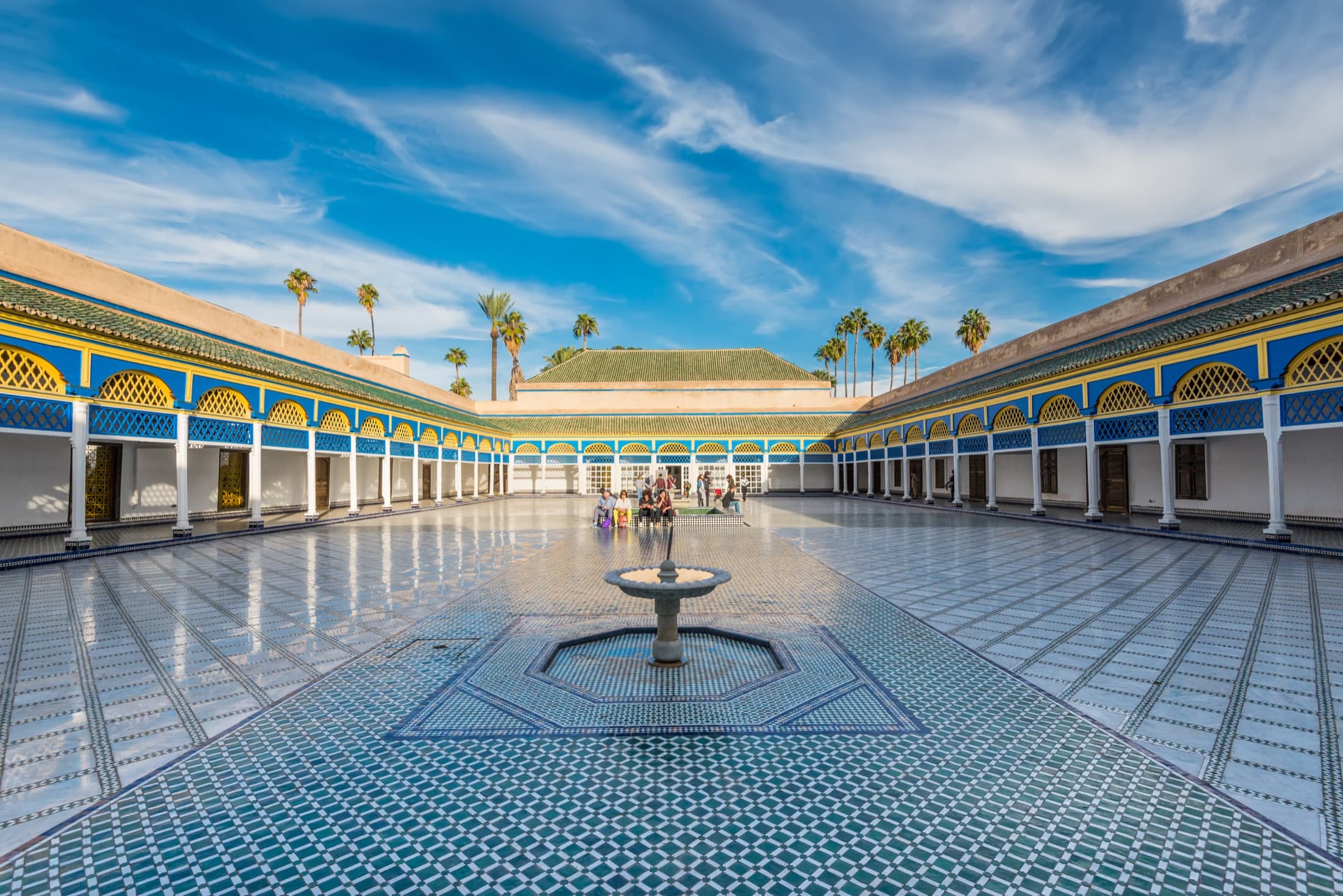
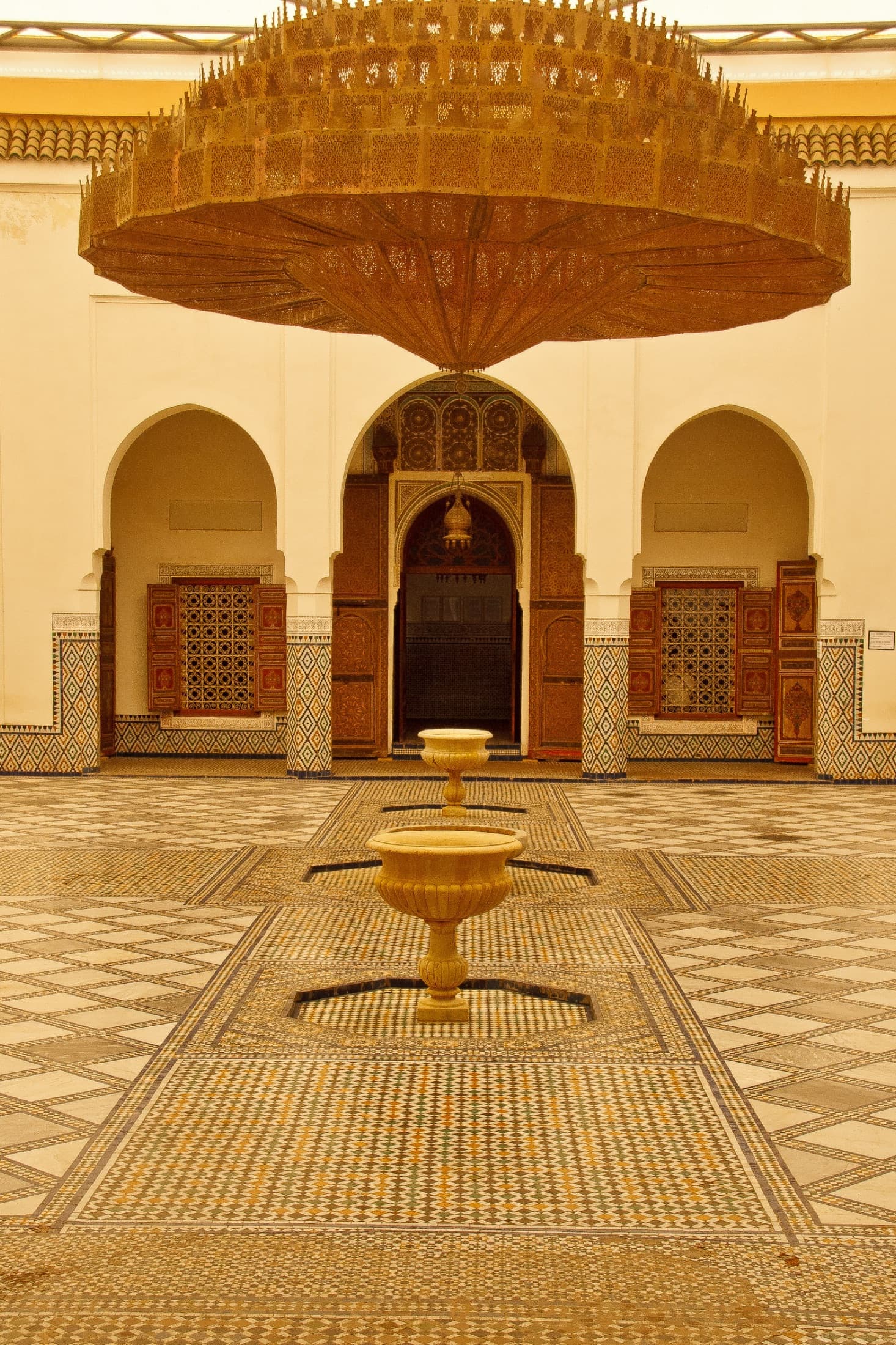
Though smaller than the neighboring Bahia Palace built by his brother, Dar Si Said shares the same architectural ambition: a grand reception hall, a riad garden shaded by a painted wood pavilion, and reception rooms decorated with the craftsmanship that defined the era's great Marrakech residences.
Craftsmanship on Display
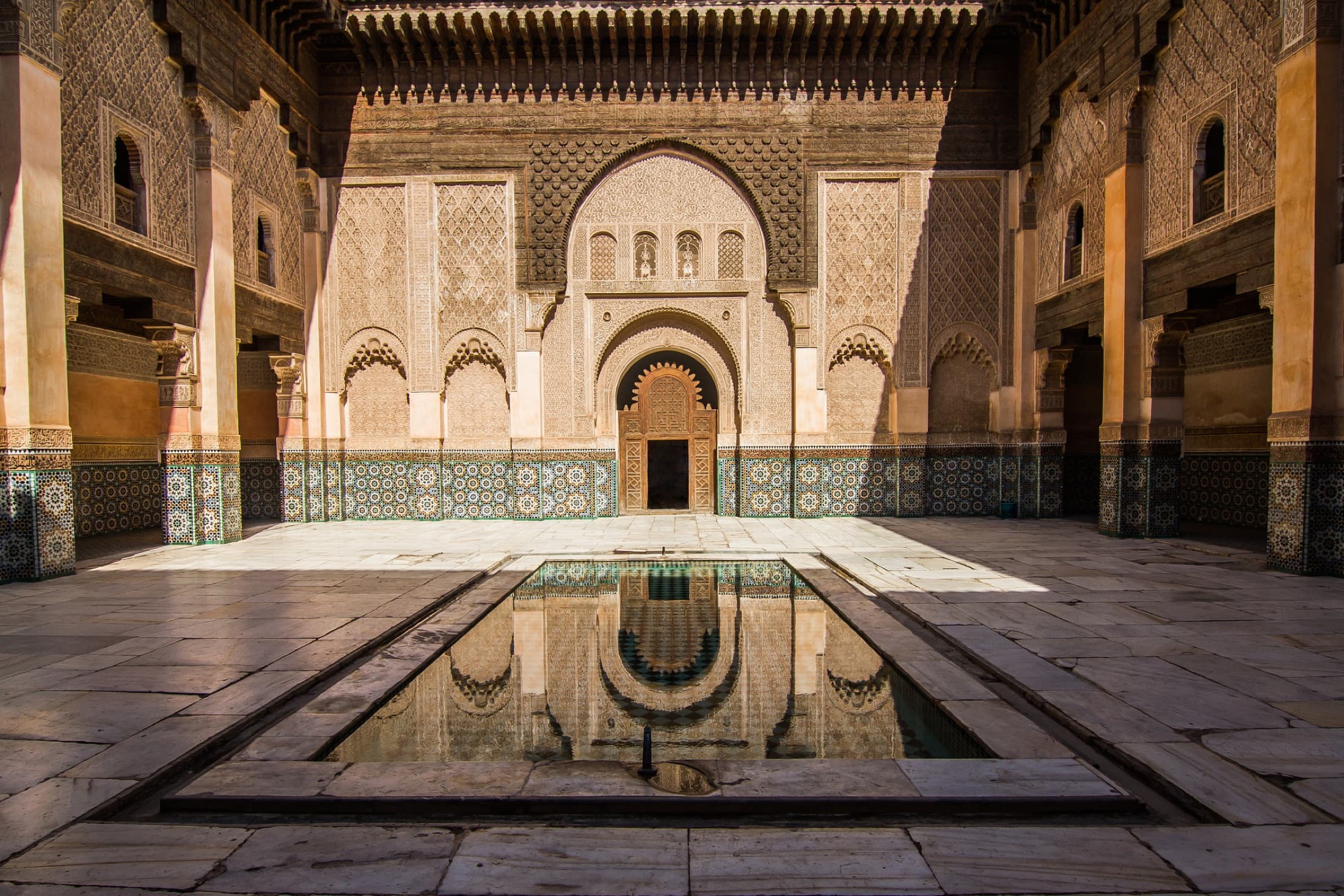
The palace's reception hall and painted cedarwood ceilings showcase the zellige tilework, carved stucco, and joinery typical of late 19th-century Moroccan palace architecture — the same artisanal traditions the museum now exists to celebrate.
Administrative Headquarters
After the French Protectorate was established in 1912, Dar Si Said was requisitioned as a regional administrative headquarters, a role it held for close to two decades.
Becoming a Museum
The palace was converted into a museum of Moroccan arts and woodcraft around 1930–1932, one of the earliest such conversions in Marrakech. After Morocco's independence in 1956, the building was split between the museum and the Service de l'Artisanat.
Renovation and Reopening
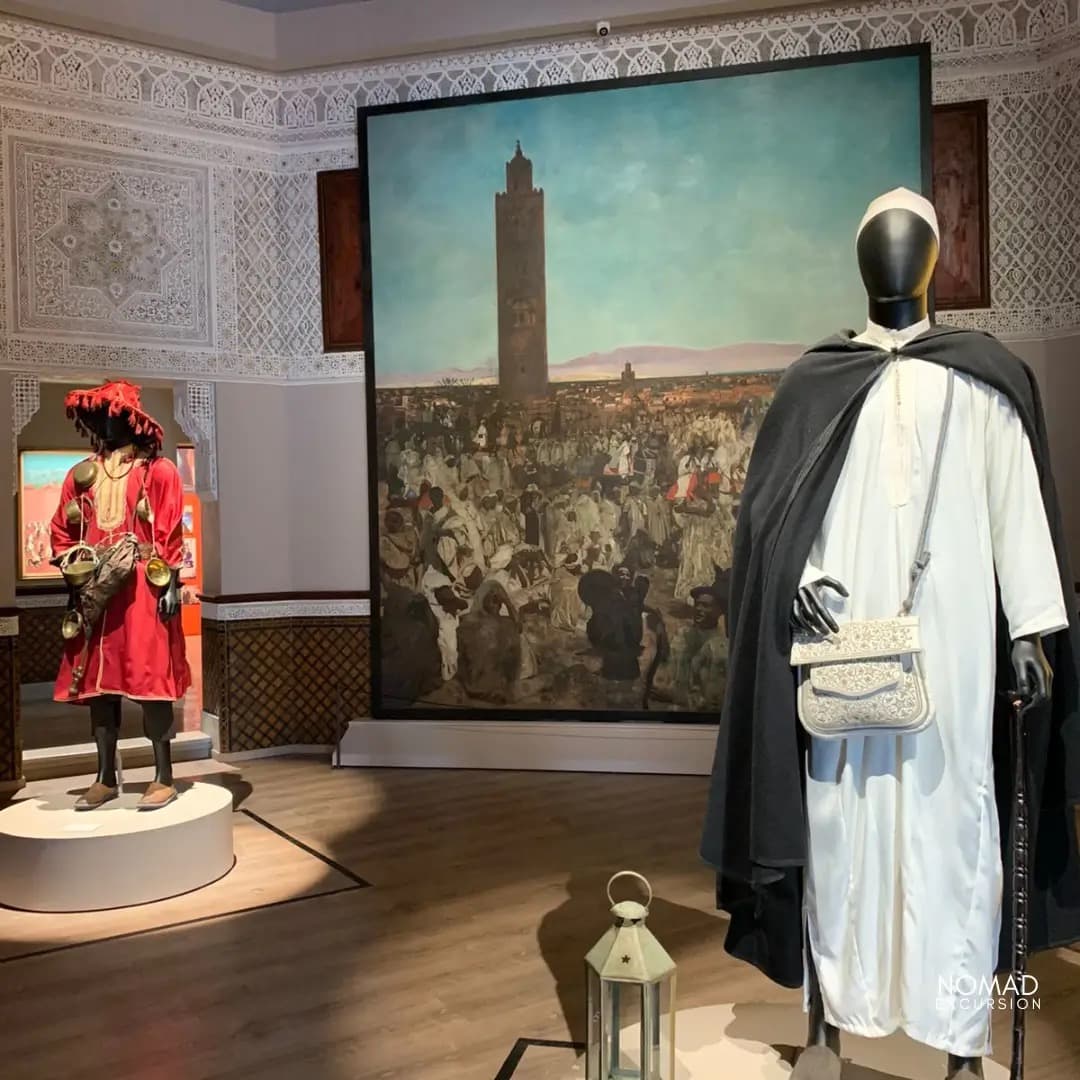
Morocco's Fondation Nationale des Musées carried out a major renovation, and the palace reopened in 2018 as the National Museum of Weaving and Carpets, displaying around 400 carpets alongside the museum's original architecture.
Dar Si Said Today
Dar Si Said sits within the Medina of Marrakesh, a UNESCO World Heritage Site inscribed in 1985. The museum has been temporarily closed since the September 2023 Al Haouz earthquake, with no confirmed reopening date — but its palace architecture and collection remain one of the medina's most significant heritage sites.